
Great Jagras is weak to Thunder and Fire. Break the head first and bring a Dual Blades if you want the cleanest first clear. The first hunt that teaches positioning.
Field notes
Great Jagras overview
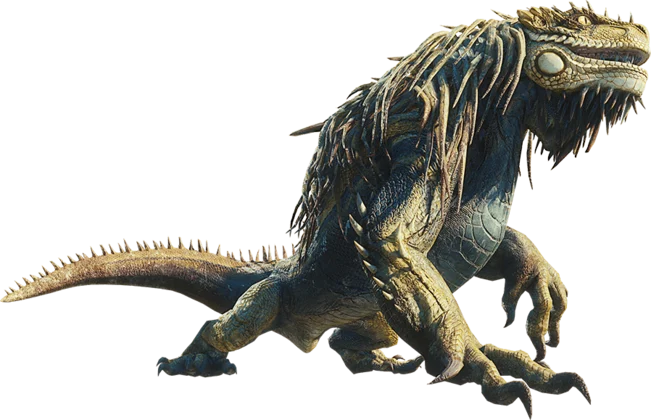
Great Jagras is the friendliest monster on the roster and one of the best places to learn weapon timing. Its bite has a clear wind-up, its roll has a long recovery, and its swollen belly is a huge target. Do not mistake that forgiveness for a lack of useful materials.
The forelegs and tail are the most valuable breaks. When Great Jagras swallows prey and inflates, the belly becomes soft but the charge covers more space. Fight from the side and move toward the hips rather than backing straight into a wall.
At a glance
Weak to Thunder / Fire · Break Head, Forelegs, Tail, Belly · Found in forest clearings and shallow water.
Element check
Great Jagras weakness & best weapons
Elemental damage is only part of the answer. Choose a weapon that can safely reach the part you need to break. The recommendations below are a starting point for a first clear, not a hard rule.
| Weakness | Recommended weapon | Why it works |
|---|---|---|
| Thunder / Fire | Dual Blades | Speed, status and a little chaos It gives you a clean route to the main break. |
| Secondary option | Long Sword | Flow, counter, finish Use it if you are already comfortable with the moveset. |
| Matchup plan | Bow | A flexible alternative for players who prefer range, shields or a faster rhythm. |
What to break
Breakable parts & materials
The recommended break order is: 1. Head, 2. Forelegs, 3. Tail, 4. Belly. This is the safest sequence for a typical first hunt. If your armor or weapon recipe needs a specific part, target that break and leave the rest for a later run.
Break priority
- Head
- Forelegs
- Tail
- Belly
Known materials
- Great Jagras Scale
- Great Jagras Hide
- Great Jagras Claw
- Great Jagras Mane
- Great Jagras Tail
- Great Jagras Gastric Juices
- Great Jagras Plate
- Radiant Great Jagras Shard
Need a set to go with the farm? See the Great Jagras Armor guide for skill direction and materials.
Hunt plan
How to beat Great Jagras
Open on the forelegs
Use your strongest short combo on a foreleg at the start. The leg break produces a topple and teaches the value of part-focused hunting. A broken foreleg also makes the follow-up roll easier to read.
Cut the tail after the roll
The tail is low and accessible. Wait for the roll to end, circle around the hips and use a downward or sweeping finisher. The tail is a regular material source for early weapons and does not move much during the recovery.
Use the belly window
When Great Jagras inflates, the belly is a large soft target. Its bite reaches further than usual, but its turn speed drops. Stay beside the belly and attack the near side instead of standing directly in front.
Radiant Great Jagras is the real step up
The Radiant form adds Radiantite projectiles and a much tighter leash on its recovery. The same leg-break plan still works, but you cannot greed every topple. Use a Thunder weapon and treat the new rocks as the priority dodge.
Radiantite watch
Radiant form & variant notes
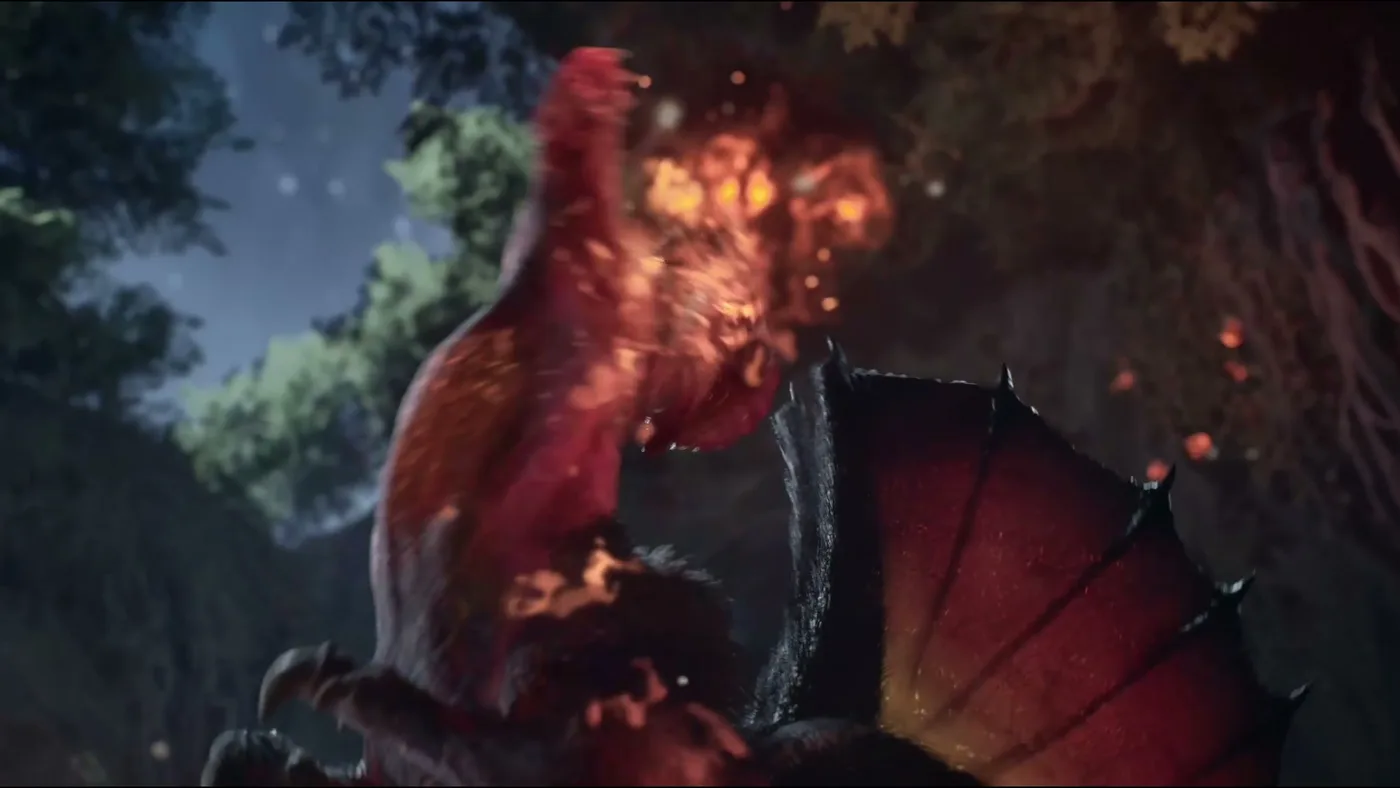
Radiant Great Jagras is a confirmed transformed hunt. Radiant Great Jagras is confirmed in the beta files. It spits Radiantite and uses a heavier belly slam. The base fight is still a positioning lesson: hit the forelegs from the side and do not stand directly in front when the belly swells.
Radiant rule
Carry the base weakness but plan for the new hazard. A safe clear with slightly lower damage is better than a perfect elemental build that spends half the fight healing. Read the Radiant species guide.
Preparation
Great Jagras checklist
- Thunder is the best early element; Fire is a good alternative.
- Break a foreleg first for a safe topple.
- Attack the inflated belly from the side.
- Use Great Jagras to practice a new weapon before a harder hunt.
First-clear rule
Pick one break, one element and one safe punish. Do not try to optimize the entire hunt before you have survived it once.
Quick answers