
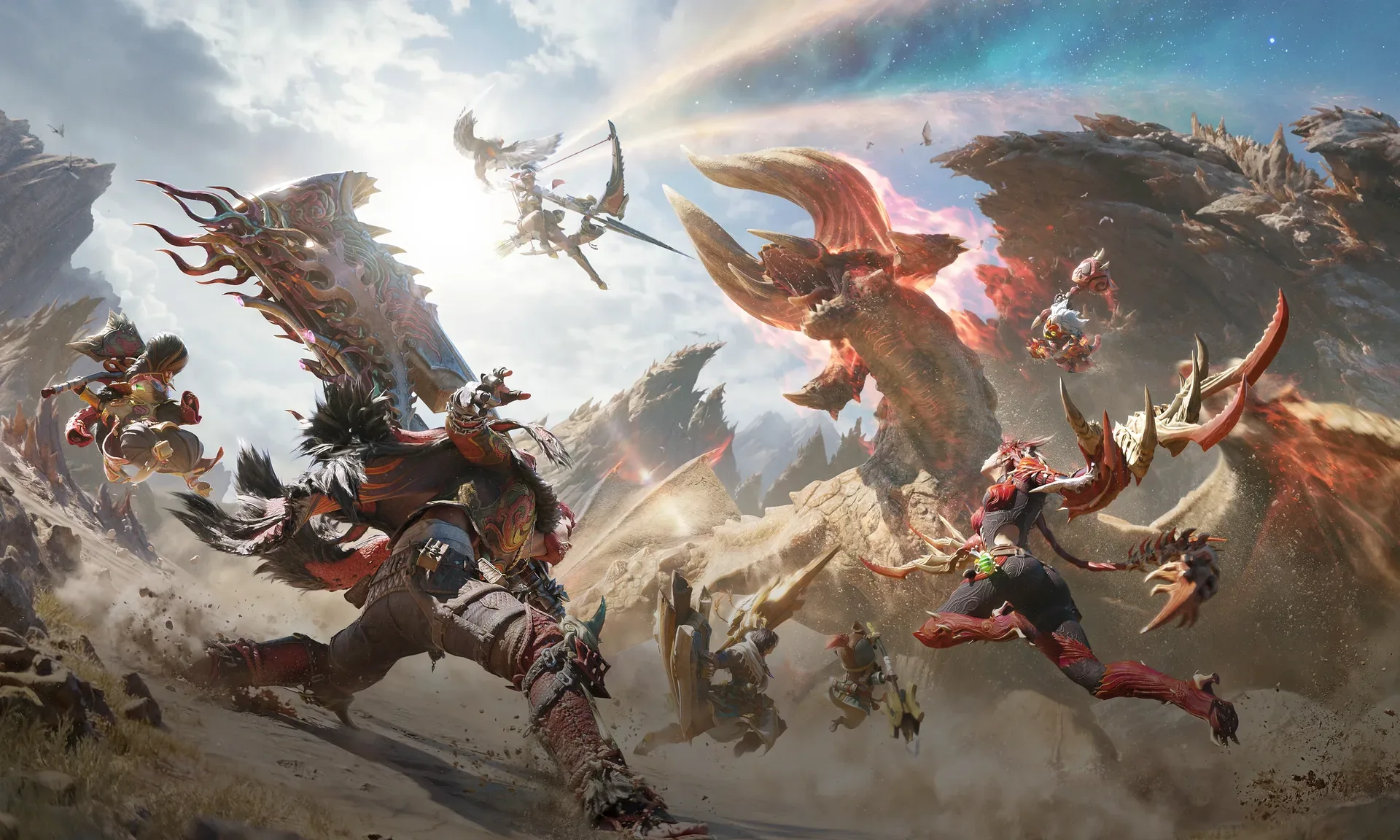
Pick the Bow, Long Sword or Lance as your first weapon, complete the early story to unlock the forge, and spend your first resources on one weapon rather than a full armor set. Claim pre-registration rewards before your first big hunt.
Field note
What to do in your first hours
Your first goal is not a perfect build. It is to unlock the systems that make every later hunt easier: the forge, the buddy system, the field facilities and a reliable healing loop. Follow the story until those are open, then pause and decide which weapon you actually enjoy.
Do not sell every material to fund an early armor set. Outlanders uses monster parts across weapons, armor and upgrades, and a part that feels common during your first hunt can become a bottleneck once you change weapons.
- Complete the opening story and unlock the forge before spending rare materials.
- Claim pre-registration and launch mail rewards, including Adventurer Raya if the milestone was reached in your region.
- Practice one main weapon until you can clear Great Jagras without taking unnecessary hits.
- Craft one armor set for survivability, not five pieces for a marginal damage gain.
Field note
Choose a weapon by rhythm, not by tier list
Every weapon is viable in PvE. The real question is whether you enjoy its rhythm after twenty hunts. A generous tier list cannot fix a weapon whose core loop makes you miserable.
If you are unsure, the Long Sword is the most flexible melee start, the Bow is the safest ranged start, and the Lance is the most forgiving way to learn a dangerous monster. Avoid the Charge Blade and Great Sword for your very first hour only if you are new to action games; both are excellent once the basics click.
The 3-weapon rule
Upgrade one main weapon, one elemental backup and one ranged option. This is cheaper than chasing every tree and covers almost every early matchup.
Field note
Learn the combat loop
Combat is built around three decisions: where to stand, when to commit, and when to leave. A successful attack is not worth a cart. Spend the first minutes of each hunt watching the monster's feet and shoulders rather than the health bar.
The dodge button is your most important input. If a combo needs three hits to be worth it but leaves no stamina for a dodge, shorten the combo. Weapon-specific routes are covered in our weapon guides.
- Open with a safe hit and watch the counterattack before committing again.
- Target one breakable part to create a topple instead of spreading damage.
- Keep enough stamina for one more dodge than you think you need.
- Sheathe before repositioning across the arena; running with the weapon out is slow.
Field note
Build armor for the hunt, not the inventory screen
The best early set is the one that gets you through the current story wall. Barroth helps you learn to guard; Rathian adds comfort; Rathalos pushes Fire damage. Do not build a full endgame set before you have a weapon worth using it with.
Set skills in Outlanders interact with the skills already on your armor pieces. That makes mixed sets attractive, but only after you understand which skill is carrying your build. For a full breakdown, see the armor and skills guide.
Field note
Hunt one monster at a time
Each large monster is a small exam. Great Jagras tests positioning, Barroth tests part targeting, Anjanath tests fire-cone timing, and Diablos tests your ability to stay calm underground. Jumping between five new monsters at once makes every lesson blur.
If a hunt fails, change one variable: bring the right element, target a different break, or swap one armor piece. Do not rebuild your entire loadout after every cart.
Use the field guide
Our monster list includes weaknesses, breaks and a hunt plan for every launch target.
Field note
Explore with a purpose
Aesoland rewards detours, but a random wander can eat a play session. Set a goal before leaving camp: gather a specific herb, unlock a fast-travel point, or test a new weapon on a low-threat monster. The open field is more fun when it is not a shopping list without an end.
Craft and use the movement facilities you find. Ziplines, gliders and base facilities are part of the progression, not decoration. A faster route to the monster is a real damage increase over a full evening.
Field note
Seven beginner mistakes to avoid
Most early frustration comes from avoidable decisions rather than a lack of skill. Fix these before blaming the weapon.
- Spending all rare materials on a low-rank armor set.
- Ignoring the monster's elemental weakness because the raw number looks bigger.
- Fighting in a corner where the camera cannot see the next attack.
- Trying to counter or guard every hit instead of repositioning.
- Forgetting to restock healing and coatings before a hunt.
- Playing a weapon you dislike because a tier list ranked it highly.
- Skipping the training area and learning the moveset during a real fight.
Quick answers